


Steel Plate
Why Choose Us
Rich experience
We have at least 10 years of experience in steel product manufacturing and R&D, and accept most customized products of all materials.
Professional team
Our factory has first-class production processes and technological levels to ensure product quality, advanced production equipment and technical team to ensure product production efficiency.
Our Certificate
Our products have passed ISO9001 international well-known certification bodies.
After-sales service
Understand customer's use of products and services and opinions, timely find and solve problems, improve customer satisfaction.
What is Steel Plate
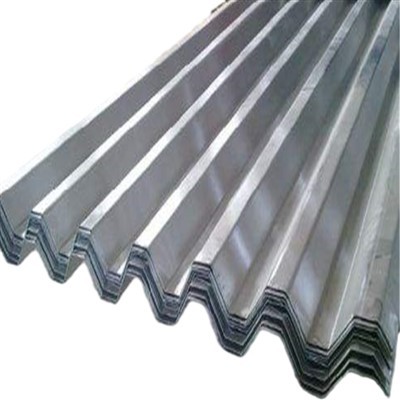
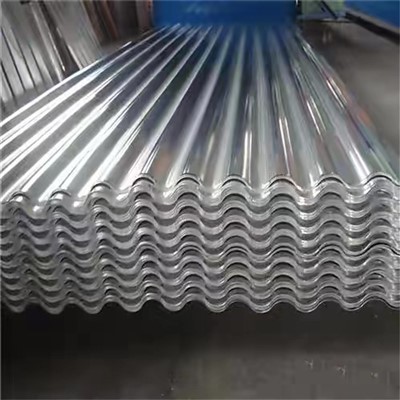
Steel plate is a plate of metal, specifically steel, that can be cut and manufactured into a more elaborate product. Steel plates come in a range of thicknesses, and can be manufactured to a length or width that you need. There are common sizes that you’ll find, such as 48”x96” or 96”x120”. To put it simply, steel plate is a general term.High temperature steel is rolled into sheets, where the steel gains strength. Multiple layers of steel are compressed together to create a single piece of steel plate, which can then be cut or burned to the specific size needed. The type of steel created is determined based on the composition of elements used in the molten metal. Check out our post on 11 elements of steel and what they do to learn more about what how different elements affect certain properties of steel.





Benefits of Steel Plate
Strength and Durability
Carbon steel plates have earned a stellar reputation for their incredible strength and durability.These plates possess high tensile strength, which allows them to withstand heavy loads and intense pressure without deformation.Whether constructing bridges, machinery, or storage tanks, carbon steel plates provide the necessary sturdiness to ensure long-lasting performance. This exceptional strength also makes them highly resistant to impact and wear, further enhancing their lifespan and reliability.
Weldability and Fabrication
One of the most notable advantages of carbon steel plates is their excellent weldability and fabrication properties.Their optimal weldability makes them a perfect choice for the creation of complex structures and customized designs. Additionally, their compatibility with various welding techniques simplifies the construction process and saves both time and resources.Since they have greater flexibility in fabrication, carbon steel plates can be tailored to meet specific project requirements. This makes them a preferred choice for architects, engineers, and manufacturers.
Cost Effectiveness
In today’s competitive market, businesses are constantly seeking cost-effective solutions that don’t compromise quality. Carbon steel plates perfectly fit this requirement.Compared to other materials like stainless steel or aluminum, carbon steel plates are more economical, making them an attractive option for businesses looking to optimize their budget without sacrificing quality.Additionally, carbon steel plates durability and longevity helps reduce maintenance and replacement costs. These additional factors contribute to further savings over time.
Sustainability
At a time when sustainability is a crucial consideration for many businesses and projects, carbon steel plates offer an optimal alternative to other materials.Since carbon steel plates are highly recyclable, this makes them an environmentally responsible choice for many organizations looking for more sustainable resources.By opting for carbon steel plates, businesses contribute to reducing their environmental impact and supporting sustainable practices.
Versatility
The versatility of carbon steel plates is another aspect that sets them apart from other materials.These plates are typically found in a wide range of applications across numerous industries. From construction and infrastructure projects to manufacturing machinery and transportation equipment, carbon steel plates play a pivotal role.Their adaptability and compatibility with different environments and conditions make them an ideal choice for both indoor and outdoor applications.
Types of Steel Plate
Galvannealed steel sheet metal
Galvannealed sheet is a carbon steel sheet coated with zinc on both sides using a continuous hot dip process. The zinc coating is harder than a regular galvanized coating and is more resistant to scratching and manufacturing damage. However, the harder coating of Galvannealed sheet is susceptible to powdering if the sheet is severely formed during fabrication.
Hot rolled sheet metal
Hot rolled sheets are produced at elevated temperatures on rolling mills and generate a material that is resistant to work hardening. They also exhibit reduced levels of deformation from residual stress. Material rolled in the hot rolled condition can require more extensive leveling practices, such as temper passing or stretcher leveling downstream to eliminate coil memory. In addition, hot-rolling may leave surface imperfections such as scale or pits which require additional finishing for a smooth surface.


Cold rolled sheet metal
Use cold rolled sheet (CRS) to get better material strength with a good surface finish. Parts made from cold rolled sheet must be painted or otherwise protected immediately to prevent surface rust. Cold rolled sheet metal can be laser cut, punched, and formed with excellent results similarly to the HRPO sheet mentioned above. The surface finish of painted parts is usually very good with CRS.
Hot rolled pickled and oiled (hrpo) sheet metal
Hot Rolled Pickled and Oiled Sheet is composed of the same material as the Hot Roll Sheet above, but it goes through an additional process before it is uncoiled(,) flattened(,) and sheared to specific lengths. The Hot Roll material in HRPO sheet metal is uncoiled and run through a pickling chemical bath that removes all the oxides from the surfaces. Then, it is oiled to prevent rusting and recoiling.
Application of Steel Plate
Construction
When it comes to construction, steel plates of all types and sizes are used. Steel plates play a versatile role and can be found in various types of construction projects. They are most commonly found in the construction of buildings, warehouses, and bridges. It is not only used in the buildings and structures themselves but also within their foundations, and they are added to give more support to the structure. They can also be found in prefabricated buildings, railway stations, and more.
Military
Steel plates used for military purposes are often higher-grade than those used in construction. Steel industries that are contracted by the military to supply them with steel plates have to meet the standards set by the military for the material to meet its intended purpose. This is because the steel plates are used for advanced technology, such as helicopters, jets, and other aircraft. It can also be used for weapons such as tanks or armored jeeps. Additionally, steel plates are often used by the Navy to create their ships and for naval repair.
Ships and Shipping Containers
This material is also extensively used by the shipping and shipbuilding industries. Steel plates are used in the construction and repair of ships, barges, and offshore equipment (such as oil rigs). They are also more durable and water-resistant than most other steel plate types found on the market, as they need to withstand large amounts of seawater and the pressures of a choppy ocean. These steel plates are also easily welded and ultra-strong.The shipping containers that are carried by many of these ships are also built using steel plates. The plates’ resistance to rust corrosion and water makes them sturdy and durable enough to protect any kind of cargo. Using long-lasting metal also makes these products ideal for repurposing, such as for prefab houses in the Philippines. All in all, these properties make it ideal for this industry.
Pressure Vessel
Pressure Vessels refer to a type of storage container. These containers are any unit that is used to store compressed gases or fluids. Common examples of these containers are boilers and gas tanks. These vessels need to be resistant to environmental factors, such as temperature or weather. They also need to be able to hold content that is often stored at extreme temperatures. Steel plates are perfect for this application as they are temperature-resistant and durable by nature. These properties ensure that the gases and liquids are safely contained, with little risk of explosion.
How to Choose Steel Plate
Durability
The product's durability is one of the most critical considerations for importers when selecting steel plates. Steel has a significant bearing capacity and is less affected by environmental factors such as temperature, humidity... representing the safety and sustainability of the works.Therefore, when choosing to buy steel in general and steel plates in particular, customers are especially interested in product quality and specific product characteristics. Each type variant, such as galvanized steel, stainless steel, or color-coated steel sheet... will have different specifications, properties, and durability.Before you place an order, you'll need to understand your project requirements to select the correct steel. If you need to know that your project is suitable for this type of steel plate, you can contact MRS Steel via Hotline at +84 28 36 22 33 58 for the most detailed advice from a team of experts.
Tensile
When choosing to buy steel plates, you must pay attention to tensile strength because this is the core property of steel. Tensile strongly influences the power of a building or other manufacturing fields; it will determine the strength and bearing capacity of the final product. The selection of steel plate grades based on the correct standards and tensile will ensure the plate can withstand heavy loads without breaking.
Weldability
The ability to weld will help the sheet steel bond together to create a final material suitable for the properties of each different construction. If your project requires welding of steel plates, choose product variants with weldability properties with the appropriate carbon content. Although welding can reduce the strength and hardness of steel plates, it is easy to machine into cost-effective, custom sizes and shapes.
Ductility
Sheet ductility is the limit to which a material can be stretched or bent before breaking completely. Customers need to choose high-ductility steel plates to ensure that they can withstand heavy loads or pressures without breaking.Depending on the variant of the steel plate, the internal carbon composition is different, leading to the difference in flexibility in each type. The best way to test the product's flexibility is to contact the supplier or steel industry experts for detailed advice before choosing to buy.
Process of Steel Plate
Primary Steel Making
Steelmaking starts with melting the raw inputs of iron ore, coke (produced by carbonisation of coking coal) and limestone together in a blast furnace. The resulting red hot molten iron contains 4-4.5% carbon and other impurities that make it brittle. So we need to move to further process the steel to achieve the desired quality. Primary Steel is produced by two methods.
Secondary Steel Making
Steel produced by the above two methods is further treated to adjust the steel composition, by adding or removing certain elements and managing the temperature and production environment.Liquid steel is cast into ingots, which after soaking at 1280-1300 oC in the soaking pits are rolled in the blooming and billet mill into blooms/billets or in slabbing mill into slabs. The continuous cast product is cut into desired lengths, based on the final product application: such as slabs for flat products (plate and strip), blooms for sections (beams), billets for long products (wires) or thin strips.
Manufacturing Cold Rolled Steel Sheets/Coils
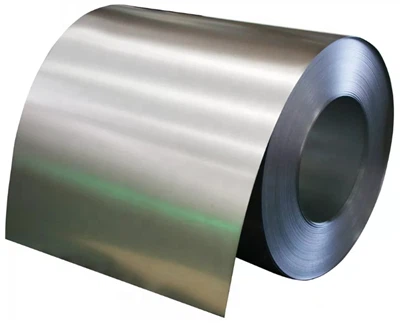
Cold rolling is a metal working process in which metal is deformed by passing it through rollers at a temperature below its recrystallization temperature. Cold rolling increases the yield strength and hardness of a metal by introducing defects into the metal’s crystal structure. These defects prevent further slip and can reduce the grain size of the metal, resulting in Hall-Petch hardening. Cold rolled steel is essentially hot rolled steel that has had further processing.
What Is The Best Way To Cut A Steel Plate?
It is the oldest cutting process for mild steel and is a simple one too. Also, it is also an expensive method too. It is also termed as flame cutting too. The Oxy-fuel torch is used that can cut through a thick plate. When adjustments are done properly, it offers very smooth, square cut surface. Furthermore, it is a slow process compared to other methods and you can increase the productivity by using multiple torches at once.
It is a much speedier method than an Oxy-fuel method, but there can be an issue with edge quality. Edge quality generally is from 1/4 inch up to 1.5 inches depending on cutting current. When the plate gets very thin, it affects the edge quality. However, the smoothness and overall quality might be good.Another issue with the plasma cutting method is that it is costly than Oxy-fuel method. It requires too many things such as water cooler, power supply, a gas control, hoses and cables and the torch. However, you can add multiple plasma systems with a single machine to increase productivity.
It is one of the most preferred steel plate cutting methods used by the metal fabricators across the world. It offers superior accuracy and precision as it is an automated process that requires minimum human interference. When the extreme heat of a laser beam is applied to the plate, it offers unparalleled cutting accuracy. Whether it is a contour or a hole, the overall accuracy is excellent. It offers no dross and very small serrations and lag lines. Due to the automation, it offers excellent reliability.
If you are expecting more accuracy than the laser cutting method, you can go for Waterjet cutting as it offers a very smooth and highly accurate cut. Due to the absence of heat distortion, you can expect the edge smoother and precise.The only drawback of the Waterjet cutting is its costly operations as it is very slow compared to a laser cutter. Equipment costs and operation costs are lower then using a laser cutter.
How to Maintain Steel Plate
Cleaning
Clean the steel plate surface regularly to remove accumulated dust, dirt, and chemicals. You can use mild detergent and a soft cloth for cleaning. Avoid using acidic or corrosive cleaners to avoid damage to the steel plate.
Anti-rust
Steel plates are prone to rust, so they need anti-rust treatment. Anti-rust paint, coating, or anti-rust spray can be used to protect the surface of the steel plate. Check regularly and repair any broken or peeling rust protection.
Avoid moisture and moisture
Moisture and moisture are one of the main causes of rust on steel plates. Therefore, avoid exposing steel plates to moisture or water for extended periods. In humid environments, you can use a dehumidifier or maintain good ventilation to reduce humidity.
Avoid physical damage
Steel plates are susceptible to physical damage, such as scratches, collisions, etc. Therefore, pay attention to avoid contact with sharp or hard objects during use, and avoid using steel plates for excessive loads.
Regular inspection
Regularly check the surface and connection parts of the steel plate for damage or fatigue. If problems are found, repair or replace the damaged parts promptly.
Prevent chemical corrosion
Steel plates are prone to corrosion in some chemical environments, such as acidic environments. When exposed to these environments, protective measures need to be taken, such as using acid-resistant coatings or choosing more corrosion-resistant materials.
Our Factory
We have at least 10 years of experience in steel product manufacturing and R&D, and accept most customized products of all materials.
Our factory has first-class production processes and technological levels to ensure product quality, advanced production equipment and technical team to ensure product production efficiency. Adhering to the business philosophy of "quality first, customer first".We are one of the largest steel exporters in China. The company mainly exports products such as steel pipes, steel plates, carbon steel, galvanized steel, stainless steel, aluminum steel, and steel profiles.
FAQ