


Stainless Steel Sheet
Why Choose Us
Rich experience
We have at least 10 years of experience in steel product manufacturing and R&D, and accept most customized products of all materials.
Professional team
Our factory has first-class production processes and technological levels to ensure product quality, advanced production equipment and technical team to ensure product production efficiency.
Our Certificate
Our products have passed ISO9001 international well-known certification bodies.
After-sales service
Understand customer's use of products and services and opinions, timely find and solve problems, improve customer satisfaction.
What is Stainless Steel Sheet
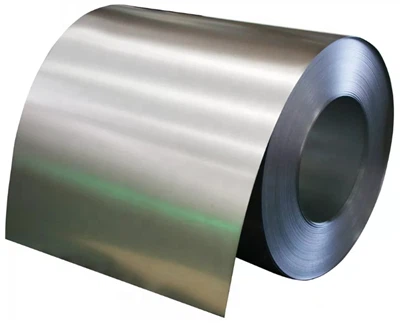
Stainless steel sheet metal is one of the most popular and versatile materials available on the market today. Stainless steel sheet metal is frequently used in a variety of industries, including food processing, automotive, and construction. It is also a popular choice for household appliances and kitchenware.When it comes to construction, stainless steel metal sheets are widely used in cladding, curtain walls, facades, roofing, and most architectural applications. The main advantage of using stainless steel metal in construction is its durability. Stainless steel is a tough and strong material that can withstand harsh weather conditions and still look good for many years to come. It is also easy to clean and maintain, which further adds to its appeal.



Benefits of Stainless Steel Sheet
Durability and strength
Stainless steel sheet is a robust material with exceptional strength and durability. This makes it ideal for construction and manufacturing, where it is exposed to harsh conditions that require a strong and durable material. Its high corrosion resistance ensures that it remains in pristine condition for long periods, and its ability to withstand high temperatures further enhances its durability.
Low maintenance
Stainless steel sheet requires very little maintenance compared to other materials. It does not need to be painted or sealed to maintain its appearance and can be easily cleaned with soap and water or a mild detergent. Additionally, the stainless steel sheet does not need to be polished or waxed to maintain its shine and will remain like new for many years with minimal effort.
Hygiene and cleanliness
Stainless steel sheet is also known for its excellent hygiene and cleanliness. This is due to its smooth, non-porous surface that prevents bacteria from growing, making it ideal for use in the food and beverage industry. Its resistance to staining and scratching also ensures that it remains hygienic and easy to maintain.
Aesthetic appeal
In addition to its functional properties, stainless steel sheet also offers an aesthetic appeal that can be used to create stunning designs. Its sleek, modern look is often used in architecture, interior design, and industrial manufacturing, and it adds elegance and sophistication to any project.
Versatility
Stainless steel sheet is a versatile material used in many applications. Its resistance to corrosion, hygienic properties, and aesthetic appeal make it an ideal material for use in the food and beverage industry, healthcare, construction, and manufacturing.
Cost-effective
While stainless steel sheet may be more expensive than other materials, its durability and strength make it a cost-effective investment in the long run. Its resistance to corrosion and damage ensures that it lasts many years without requiring frequent replacement or repair. This makes it an ideal choice for applications where cost-effectiveness is crucial.
Types of Stainless Steel Sheet
Embossed Stainless Steel Plate
Stainless steel embossed plate is a surface of steel plate with concave and convex patterns, used in places that require smoothness and aesthetics. Embossing rolling is carried out using patterned work rolls, which are usually processed with corrosive liquids. The depth of the unevenness on the plate varies depending on the pattern, about 20-30 microns.
Stainless Steel Embossed Plate
Stainless steel embossed plate are also highly favored for their beautiful appearance. Its surface texture is rich and diverse, and can be customized according to different design requirements and architectural styles. Whether it's simple modern lines or retro elegant patterns, embossed metal panels can perfectly present and add unique visual effects to buildings and equipment. On the exterior walls of buildings, embossed metal panels can create a sense of three dimensionality and hierarchy, making the building's appearance more vivid and attractive. In interior decoration, it can be used as a material for walls, ceilings, or furniture, adding a refined and artistic touch to the space.
No 8 Mirror Finish Stainless Steel Sheet
No.8 mirror finish stainless steel sheet is polished on the surface of stainless steel board using grinding fluid and polishing equipment, making the brightness of the board surface as clear as a mirror.
Polished 316 Stainless Steel Sheet
Polished 316 stainless steel sheet have a smooth surface, high plasticity, toughness, and mechanical strength, and are resistant to corrosion by acid, alkaline gases, solutions, and other media. It is an alloy steel that is not easy to rust, but it is not absolutely rust free.Widely used: pulp and paper equipment, heat exchangers, mechanical equipment, dyeing equipment, film washing equipment, pipelines, and external materials for buildings in coastal areas.
Application of Stainless Steel Sheet
Applications of Stainless Steel Plates in the Environmental Protection Industry
Industrial waste gas, garbage, and sewage treatment facilities require the use of stainless steel plates for manufacturing. In the process of flue gas desulfurization, double-phase stainless steel plates and high-grade austenitic stainless steel plates are needed to resist the corrosion of sulfur dioxide, chloride ions, and iron ions. Facilities such as garbage incinerators and wastewater treatment require the use of high-performance stainless steel materials for production.
Applications of Stainless Steel Plates in the Construction Industry
It is one of the earliest applications of stainless steel plates. In terms of architectural decoration, currently, stainless steel plates are mainly used for the cladding of high-rise buildings, indoor and outdoor columns, handrails, floors, elevator walls, doors and windows, curtains, and other interior and exterior decorations and components. Surface-treated, colored, and coated stainless steel plates solve the problem of easy hand prints after touching, further expanding the application scope of stainless steel plates.
Applications of Stainless Steel Plates in the Automotive Industry
This is currently the fastest-growing application field for stainless steel plates. The use of high-strength stainless steel plates for manufacturing vehicle body structures can greatly reduce vehicle weight, enhance the strength of the body structure, and reduce maintenance costs by using stainless steel plates for vehicle panels and decorative components.In addition, stainless steel plates are also used in automotive exhaust systems due to their resistance to chloride ion corrosion and heat resistance. Currently, Japan, the United States, Sweden, and other countries have extensively used stainless steel plates for vehicles.
Applications of Stainless Steel Plates in the Household Appliances Industry
In the household appliances industry, the largest use of stainless steel plates is in the automatic washing machine inner drum, water heater inner cylinder, microwave outer shell, and refrigerator inner liner, often using ferritic stainless steel plates. In Western Europe, the proportion of household appliances using stainless steel plates is relatively large, while in Asia, Japan is close to the European level in terms of use, while other countries generally use less.
Common Stainless Steel Plate Grades

304
This comes in three variations-304, 304H and 304L. Part of the 300 series, this particular plate grade is often used in the food and beverage industry. This is due to the fact that this particular grade has the ability to keep contamination probabilities very low. This metal contains around 18% chromium and around 8% nickel.
316
Also part of the 300 series, this particular grade contains between 16% to 18% chromium and approximately 11% to 14% nickel. This is often used for environmental and marine applications due to its resistance to corrosion brought about by salty water.
410
This is heat treatable steel and can be used for the manufacture of surgical instruments, as well as strainers used in the food industry.
How to Choose Stainless Steel Sheet
Understand the Stainless Steel Grades
Stainless steel comes in different grades, each with unique properties and applications. The grade selection depends on factors like corrosion resistance, strength, and cost. Common grades include 304, 316, 430, and 201. Grade 304 is the most versatile and widely used, offering excellent corrosion resistance and suitable for general applications. Grade 316 is highly corrosion-resistant and well-suited for marine or harsh environments. Grade 430 is less expensive but provides moderate corrosion resistance, making it suitable for indoor applications. Grade 201 is budget-friendly but not as corrosion-resistant as other grades. Understanding the grades will help you choose the appropriate stainless steel sheet for your specific project requirements.
Consider Surface Finish
The surface finish of a stainless steel sheet affects both aesthetics and functionality. Different finishes result from various processing techniques, each serving a specific purpose. Common finishes include 2B, brushed, satin, mirror, and textured. The 2B finish is smooth and commonly used for most applications. Brushed and satin finishes offer a textured appearance, making them suitable for architectural and decorative purposes. Mirror finishes provide a highly reflective surface, ideal for applications requiring a brilliant, reflective appearance. Textured finishes offer unique patterns and are often used in areas where aesthetic appeal is important. Consider the desired appearance, maintenance requirements, and the environment in which the sheet will be used when selecting the surface finish.
Determine the Required Thickness
The thickness of the stainless steel sheet is essential and should be chosen based on the specific application and structural requirements. Thinner sheets are lighter, easier to form, and suitable for applications where weight is a concern. Thicker sheets offer more strength and durability, making them ideal for structural components and heavy-duty applications. Consider factors like load-bearing capacity, structural integrity, and intended use when determining the required thickness.
Evaluate Corrosion Resistance
When it comes to selecting materials for a project, evaluating the corrosion resistance of different options is crucial to ensure long-term durability and cost-effectiveness. Corrosion can lead to structural degradation, reduced performance, and the need for frequent repairs or replacements. Here is a comprehensive guide to evaluating corrosion resistance in materials.
Process of Stainless Steel Sheet
The first step in making stainless steel sheets is melting the raw materials. Stainless steel is an alloy that is made up of iron, chromium, and other elements. The raw materials for stainless steel sheets are typically sourced from iron ore and recycled stainless steel scrap.The melting process typically takes place in an electric arc furnace (EAF), which uses high-voltage electric arcs to melt the raw materials. The EAF is lined with refractory bricks that help to contain the heat and protect the furnace walls. The raw materials are placed in the EAF and heated to a temperature of around 2,800 degrees Fahrenheit (1,538 degrees Celsius).
The slab is then transferred to a hot rolling mill, where it is heated to a temperature of around 1,700 degrees Fahrenheit (926 degrees Celsius). The hot rolling process involves passing the slab through a series of rollers that compress and shape the steel into a thin sheet.The hot rolling process has several benefits, including improving the steel’s ductility and reducing its thickness. The hot-rolled steel is then cooled and transferred to the pickling line, where it is cleaned and treated with acid to remove any impurities or scale that may have formed during the hot rolling process.
After the steel has been pickled, it is then subjected to the cold rolling process. Cold rolling involves passing the steel through a series of rollers at room temperature, which further reduces the thickness of the steel and improves its surface finish.The cold rolling process is typically used to produce steel sheets with a thickness of less than 0.2 inches (5 millimeters). The cold-rolled steel is then annealed, which involves heating the steel to a high temperature and then cooling it slowly to improve its formability and ductility.
After the steel has been cold rolled and annealed, it is then subjected to a finishing process to improve its surface finish and prepare it for use. Some of the most common finishing techniques include:This involves buffing the surface of the steel to create a smooth, shiny finish.
How to Maintain Stainless Steel Sheet
Regular Cleaning
Stainless steel sheets should be cleaned regularly to remove dirt, dust, and grime. Use a mild detergent or soap and warm water, and a soft cloth or sponge to wipe down the surface. Avoid using abrasive materials, such as steel wool or abrasive cleaning pads, as these can scratch the surface.
Avoid Harsh Chemicals
Harsh chemicals, such as bleach and ammonia, can damage the surface of stainless steel sheets. Instead, use mild cleaning products or specialized stainless steel cleaners.
Use the Grain
When cleaning stainless steel sheets, always wipe with the grain to avoid scratching the surface. The grain refers to the direction of the brushed finish on the surface.
Dry Thoroughly
After cleaning, be sure to dry the stainless steel sheets thoroughly to avoid water spots and streaks. Use a clean, dry cloth to buff the surface.
Prevent Damage
Avoid exposing stainless steel sheets to harsh chemicals, extreme temperatures, and abrasive materials. Use protective pads or mats under appliances, and avoid placing hot or sharp objects directly on the surface.
Polishing
Stainless steel sheets can be polished to restore their shine and remove any scratches or stains. Use a specialized stainless steel polish and a soft cloth to gently buff the surface.
Our Factory
We have at least 10 years of experience in steel product manufacturing and R&D, and accept most customized products of all materials.
Our factory has first-class production processes and technological levels to ensure product quality, advanced production equipment and technical team to ensure product production efficiency. Adhering to the business philosophy of "quality first, customer first".We are one of the largest steel exporters in China. The company mainly exports products such as steel pipes, steel plates, carbon steel, galvanized steel, stainless steel, aluminum steel, and steel profiles.
FAQ