


Steel Strips
Your Professional Steel Strips Supplier
Tianjin Kun Yu Technology Co., Ltd. is one of the leading steel exporters in China. The company specializes in exporting a wide range of steel products, including steel pipes, steel plates, carbon steel, galvanized steel, stainless steel, aluminum steel, and steel profiles. These products are primarily utilized in various sectors of the national economy, such as the chemical industry, machinery, construction, public utilities, shipping, oil, and others.
Customized Services
With over a decade of experience in the manufacturing and R&D of steel products, we offer comprehensive customization services for a variety of materials to meet specific customer requirements.
High-Quality Products
Our factory employs state-of-the-art production processes and advanced technology to ensure the superior quality of our products.
High Productivity
Equipped with cutting-edge production facilities and a highly skilled technical team, we guarantee efficient production to meet customer demands promptly.
Excellent After-Sales Service
We provide exceptional after-sales service, addressing customer complaints and resolving issues effectively to ensure customer satisfaction.


Parameter
|
Materials |
Q235 SS400 (or as customer's requirement) |
|
Standard |
ASTM/aisi/GB |
|
Size |
Width:600-2000mm |
|
Thickness:0.12-4mm |
|
|
General Width |
910mm, 1010mm, 1219mm,1220mm,1250mm,1500mm |
|
Tolerance |
Thickness: +/-0.02mm |
|
Appearance |
Excellent quality, the surface can be polished or color-coated |
|
Workflow |
Hot rolled coil–Pickling – Cold rolling – Cover annealing –Skin pass – Coiling |
|
Production Capacity |
10000 Tons per Month |
|
Loading |
Per container can be loaded 25 tons to 27 tons. |
|
Port of shipment |
China port |
|
Payment |
TT , 100% Irrevocable L/C at sight,Westerm Union ,D/P, D/A , MoneyGram |
|
Delivery time |
10--30 days after receiving the customer's deposit or L/C. |
|
Price Term |
FOB/CFR/CIF |
Types of Steel Strips
The steel strips produced by our company mainly include the following types:
Galvanized Strip
The galvanized strip is a highly versatile and durable steel product designed to meet a wide range of industrial and construction needs. Manufactured through a meticulous process of coating steel with a protective layer of zinc, the galvanized strip offers exceptional resistance to corrosion, making it an ideal choice for applications exposed to harsh environmental conditions.
Spring Steel Strip
Spring steel strip refers to the steel strip specially used for the manufacture of springs and elastic components due to its elasticity in the quenched and tempered state. Spring steel strip has excellent comprehensive properties, such as high strength, high elastic limit, good elastic resistance, fatigue performance, etc.

Advantages of Steel Strips
1. Corrosion Resistance
Stainless steel strips are predominantly composed of chromium, providing excellent resistance to rust and corrosion. This property is particularly advantageous in environments exposed to moisture, chemicals, and extreme temperatures. It ensures durability and a long lifespan of the products made from stainless steel strips.
2. Strength and Toughness
Stainless steel strips possess superior strength and toughness, making them highly resistant to bending, breaking, and deformation. This quality is vital in applications that require long-term structural stability and resistance to heavy loads.
3. Easy Formability
Due to their exceptional ductility, stainless steel strips can be easily formed, shaped, and fabricated into custom designs to suit various requirements. This flexibility makes them an ideal choice for applications that demand intricate designs or specific dimensions.
4. Aesthetic Appeal
Aside from functionality, stainless steel strips add an elegant touch to any product or structure they are used in. Their smooth, polished surface enhances the visual appeal, making them a preferred choice for architectural designs, kitchen décor, and high-end appliances.
5. Maintenance
Stainless steel strips require minimal maintenance, which is a significant advantage in terms of cost and effort. Regular cleaning and occasional polishing are usually enough to keep them looking new and highly resistant to stains, fingerprints, and other contaminants.
Applications of Steel Strips

Automotive Industry
Construction and Architecture
Medical Equipment
Aerospace and Defense
Household Appliances and Consumer Goods
Electronics and Electrical Components
Precautions for Cutting Steel Strips
Use the Right Tools
The first step to cutting steel strapping is to use the right packing tools. You’ll need a good pair of steel strapping cutters, also known as bolt cutters, that are designed to cut through steel. Look for cutters that have a hardened steel blade and a comfortable grip.
Position the Steel Strapping Correctly
Once you have your cutters, the next step is to position the steel strapping correctly. Lay the steel strapping flat on a sturdy surface and ensure it’s straight and taut. If the strapping is twisted or loose, it can be difficult to cut cleanly.
Mark the Cut Line
Before you cut, it’s a good idea to mark the cut line on the steel strapping. Use a marker or a piece of chalk to make a clear line where you want to cut. This will help ensure a clean cut and prevent you from cutting too much or too little of the strapping.
Position the Cutters Correctly
When you’re ready to cut, position the cutters correctly. Place the blade of the cutters perpendicular to the steel strapping, with the handle facing up. The blade should be positioned on the cut line you marked earlier. Ensure the cutters are in the correct position before applying pressure to the handles.
Apply Even Pressure
To cut through the steel strapping, apply even pressure to the cutters’ handles. Don’t try to force the cutters through the strapping, as this can damage the blades and make cutting more difficult. Instead, apply steady pressure until the blades cut through the strapping.
Cut the Steel Strapping in Stages
If you’re cutting through thick steel strapping, it may be necessary to cut it in stages. Start by making a shallow cut through the strapping, then repeat the process, cutting a little deeper each time. This will help prevent the blades from becoming damaged and ensure a clean cut.
Wear Protective Gear
Finally, it’s important to wear protective gear when cutting steel strapping. Wear gloves and safety glasses to protect your hands and eyes from flying debris. Steel strapping can be sharp, so take care to avoid cuts or injuries.
Packaging and Shipping
|
Packaging |
● Surface polish ● Bundle package ● Wooden case, wooden pallet package ● Container or bulk ● Special according to customer's request |
|
Shipping |
By sea According to customer requirements |
Our Factory
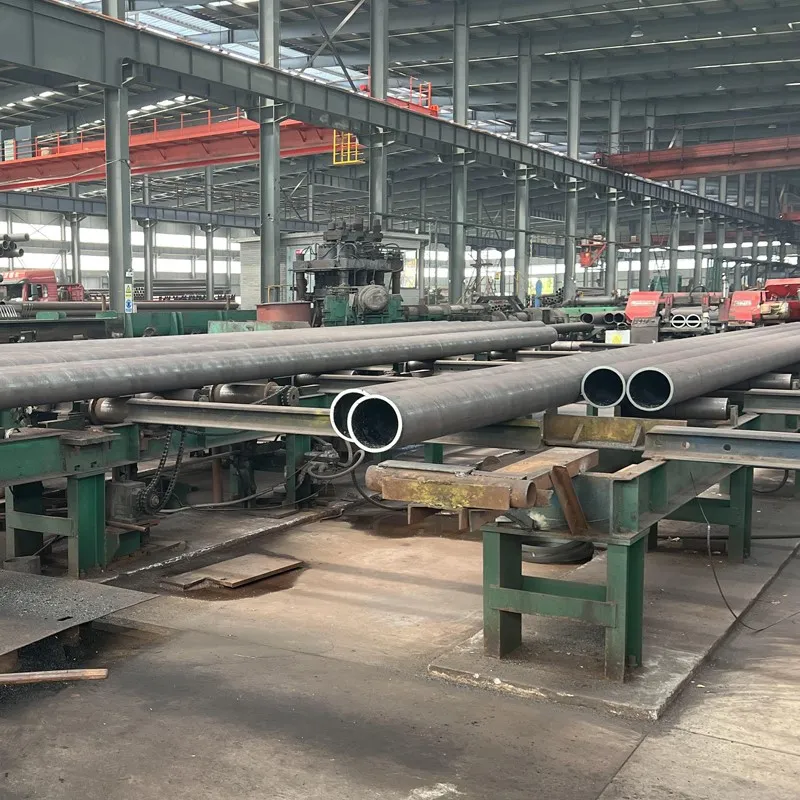
Tianjin Kun Yu Technology Co, Ltd. is located in Beichen District, Tianjin, China, is a production and trading integrated enterprise, focusing on the field of steel materials. Our steel plant covers an area of 150,000 square meters, with spacious production workshops and advanced storage facilities, the plant covers an area of 128 employees, and builds a well-structured, professional and complementary team structure.
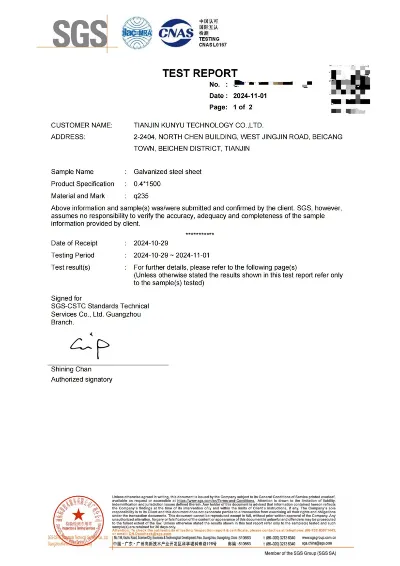
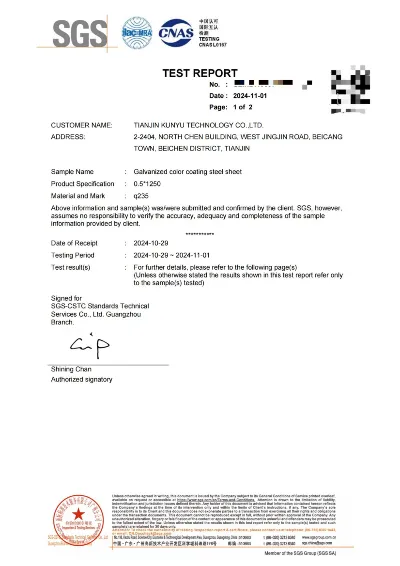
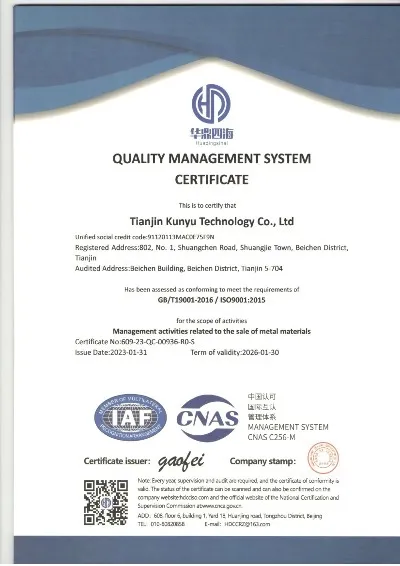
Our Certificate

FAQ